



Communicable Diseases
Communicable diseases are infectious diseases that are spread from person to person – such as E. coli, Salmonella or chickenpox – or from animals to people, like rabies or H1N1 flu. Cook County Department of Public Health prevents the spread of infectious diseases through disease surveillance, community education, outbreak response and by providing recommendations to control the spread of communicable diseases in suburban Cook County. Click on the buttons below to learn more about reportable diseases, sexually transmitted diseases, vaccine preventable diseases, immunizations and tuberculosis, as well as disease case counts, data reports and resources.

CD Case Counts

CD Data & Reports

Condom Request Form

Cyclosporiasis

Ebola
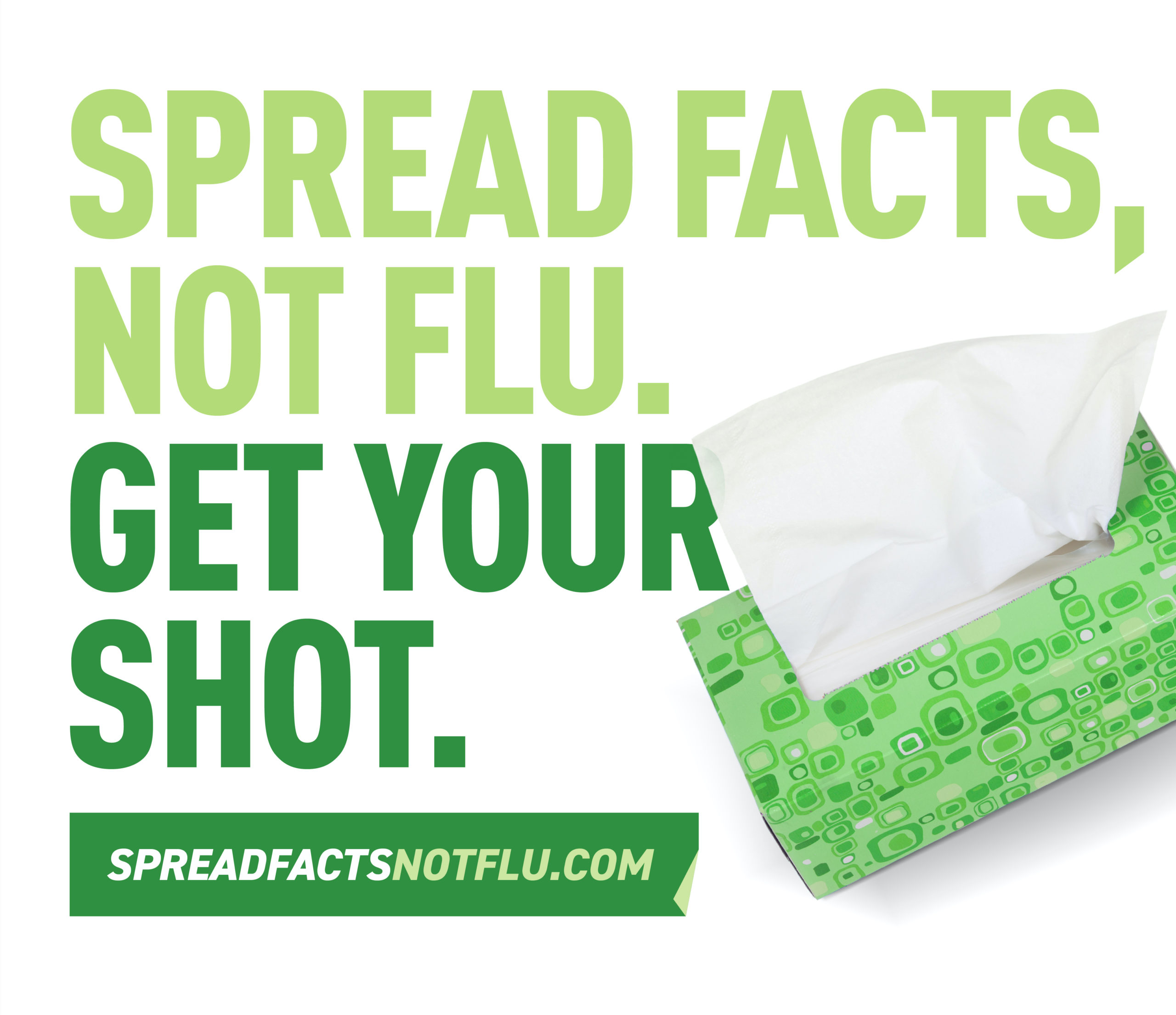
Flu

Infection Prevention Resources
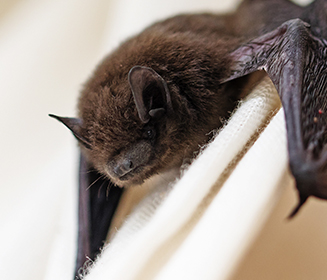
Rabies

Sexually Transmitted Diseases & HIV
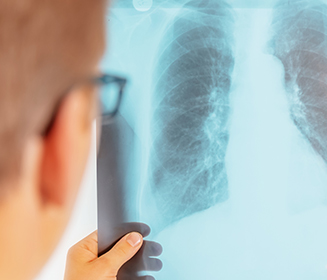
Tuberculosis
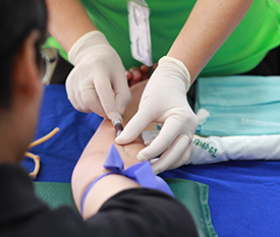
Vaccine Preventable Diseases
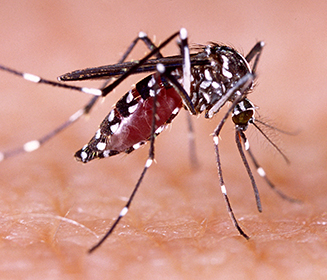
West Nile Virus
Updated July 31, 2026, 10:17 AM